


Mount Kilimanjaro Climbing, rising majestically to 5,895 meters above the Tanzanian landscape, stands as one of the world’s most iconic climbing destinations. This dormant volcanic giant offers adventurers an extraordinary opportunity to reach the highest point in Africa without requiring technical mountaineering expertise. Each year, tens of thousands of climbers from across the globe attempt to stand atop Uhuru Peak, drawn by the mountain’s accessibility, breathtaking beauty, and the profound sense of achievement that comes from conquering one of the Seven Summits.
The Unique Appeal of Kilimanjaro Climbing
What distinguishes Kilimanjaro from other major peaks is its remarkable accessibility combined with genuine challenge. Unlike mountains requiring ropes, ice axes, and advanced climbing techniques, Kilimanjaro can be summited through trekking alone. This democratic nature means that individuals with determination, proper preparation, and reasonable fitness can achieve what was once considered an extraordinary mountaineering feat.
The mountain’s equatorial location creates a unique phenomenon where climbers experience five distinct ecological zones during their ascent. Beginning in lush tropical rainforests populated by colobus monkeys and exotic birds, the trail progresses through heath and moorland zones featuring giant lobelias and groundsels found nowhere else on Earth. Higher still, the landscape transforms into alpine desert before culminating in the arctic summit zone, where glaciers persist despite being just three degrees from the equator. This compressed journey through climate zones equivalent to traveling from the equator to the Arctic makes Kilimanjaro climbing an unparalleled ecological adventure.
Preparing Your Body for the Challenge
Physical preparation forms the foundation of successful Kilimanjaro climbing. While the trek doesn’t demand technical skills, the sustained multi-day effort at progressively higher altitudes requires comprehensive fitness development. Most experts recommend beginning your training regimen at least four to six months before your scheduled climb.
Cardiovascular endurance stands as your primary physical asset on Kilimanjaro. Your heart and lungs must work efficiently in oxygen-depleted environments while maintaining steady exertion over six to eight hours daily. Incorporate regular aerobic activities including hiking, running, cycling, or swimming into your weekly routine. Gradually increase both duration and intensity, working toward sessions of 60 to 90 minutes at moderate to high intensity. Weekend hikes carrying a weighted backpack of 10 to 15 kilograms simulate actual climbing conditions while allowing you to test gear and identify potential issues.
Leg strength proves crucial for ascending steep sections and controlling your descent on loose scree slopes. Incorporate resistance training focusing on quads, hamstrings, calves, and glutes. Exercises like squats, lunges, step-ups, and calf raises build the muscular endurance needed for sustained climbing. Don’t neglect your core and back muscles, which stabilize your body while carrying a daypack over uneven terrain.
Mental preparation deserves equal attention to physical training. Summit night typically begins around midnight and continues for six to eight hours in freezing darkness with reduced oxygen levels. This psychological challenge tests willpower as fatigue, cold, and altitude symptoms converge. Visualization exercises where you mentally rehearse challenging scenarios help build resilience. Consider incorporating meditation or mindfulness practices to develop the mental fortitude needed when your body begs you to turn back despite the summit being within reach.
Selecting Your Climbing Route
Kilimanjaro offers seven established routes to the summit, each presenting distinct characteristics, challenges, and scenery. Your route selection significantly influences your experience, summit success probability, and overall enjoyment.
The Marangu Route, nicknamed the “Coca-Cola Route,” provides the only path with sleeping huts instead of tents. While this sounds appealing, the route’s popularity and relatively rapid five to six-day ascent profile contribute to lower success rates around 65 percent. The quick ascent doesn’t allow sufficient acclimatization time, making altitude sickness more prevalent among Marangu climbers.
The Machame Route has earned its place as the most popular choice for serious trekkers. This six to seven-day journey implements the crucial “climb high, sleep low” principle, where you ascend to higher altitudes during the day before descending to sleep at lower camps. This pattern dramatically improves acclimatization, contributing to success rates approaching 85 percent. The route’s scenic diversity includes the spectacular Shira Plateau, the challenging Barranco Wall, and varied ecological zones that showcase Kilimanjaro’s natural splendor.
The Lemosho Route approaches from the mountain’s western flank and is widely considered the most scenic option. This seven to eight-day trek provides excellent acclimatization through gradual elevation gain and extended duration. Success rates frequently exceed 90 percent, making it ideal for first-time high-altitude climbers willing to invest the additional time. The route’s longer approach means fewer crowds, particularly during the initial days, offering a more wilderness-oriented experience.
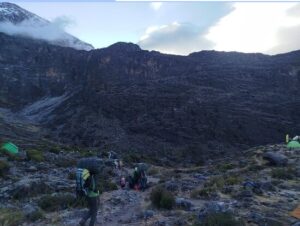
The Rongai Route ascends from the northern side, presenting the only approach from this direction. This six to seven-day route features gentler gradients and experiences less rainfall than southern routes, making it attractive during wetter months. The trade-off is less scenic variety, though the sense of remoteness and lower traffic appeal to many climbers. Success rates hover around 80 percent with proper pacing.
The Northern Circuit represents the newest and longest route, circumnavigating the mountain over eight to nine days. This extended itinerary provides superior acclimatization opportunities, often yielding success rates exceeding 95 percent. The route showcases Kilimanjaro from multiple perspectives, offering dramatic scenic variation and the highest probability of reaching the summit.
Understanding and Managing Altitude
Altitude presents the single greatest challenge in Kilimanjaro climbing, affecting approximately 75 percent of climbers to varying degrees. Understanding how altitude impacts your body and implementing effective management strategies can mean the difference between summit success and premature descent.
As elevation increases, atmospheric pressure decreases, reducing the oxygen available with each breath. At Kilimanjaro’s summit, the air contains roughly half the oxygen present at sea level. Your body responds through acclimatization, a process involving increased breathing rate, elevated heart rate, and enhanced red blood cell production. However, acclimatization requires time, which is why longer routes with built-in rest days yield higher success rates.
Acute Mountain Sickness (AMS) manifests when your body struggles to adapt quickly enough. Early symptoms include headaches, nausea, fatigue, dizziness, and sleep disturbances. Most climbers experience mild symptoms that resolve with rest, hydration, and continued gradual ascent. However, if symptoms worsen or you develop severe signs like confusion, severe breathlessness at rest, or loss of coordination, immediate descent becomes medically necessary.
Prevention strategies center on gradual ascent and proper hydration. The mantra “climb high, sleep low” helps your body adapt by exposing you to higher altitudes during daily treks while sleeping at lower elevations where recovery occurs more effectively. Drinking four to five liters of water daily, while inconvenient, significantly aids acclimatization by improving blood oxygen transport and reducing AMS symptoms.
Many climbers use Diamox (acetazolamide), a prescription medication that accelerates acclimatization by stimulating breathing. Consult your physician about whether Diamox suits your situation, ideally testing it weeks before your climb to identify any side effects like tingling fingers or altered taste. Remember that medication supplements but doesn’t replace proper acclimatization practices.
Essential Equipment and Gear
Proper equipment transforms Kilimanjaro climbing from a miserable ordeal into a challenging but manageable adventure. The mountain’s dramatic temperature variations demand a sophisticated layering system accommodating everything from tropical heat to arctic cold.
Your clothing system should consist of three functional layers. Base layers made from merino wool or synthetic materials wick moisture away from your skin, crucial for maintaining warmth at altitude. Mid-layers including fleece jackets and insulated pants provide warmth during rest breaks and at high camps. Outer layers featuring waterproof, windproof shells protect against rain, snow, and the fierce winds encountered near the summit.
Footwear requires particular attention and investment. High-quality waterproof hiking boots with excellent ankle support and grippy soles are essential. Break them in thoroughly during training hikes to prevent blisters, which can derail your climb. Bring several pairs of moisture-wicking socks and consider gaiters to prevent scree, snow, and debris from entering your boots.
A four-season sleeping bag rated to minus 15 degrees Celsius or lower ensures comfortable sleep at high camps where temperatures plummet. While porters carry most equipment, you’ll need a comfortable daypack holding 25 to 35 liters for water, snacks, extra layers, cameras, and personal items during daily treks.
Trekking poles dramatically reduce strain on your knees during descents and improve stability on loose terrain. A reliable headlamp with spare batteries is essential for the predawn summit push. High-SPF sunscreen, UV-protective sunglasses, and lip balm protect against intense high-altitude solar radiation that can cause severe sunburn even in cold conditions.
Additional necessities include insulated water bottles or hydration systems capable of carrying three liters, high-energy snacks like nuts and chocolate, a basic first aid kit, and any personal medications. Most reputable operators provide tents, dining equipment, and cooking gear as part of their service.
The Climbing Experience Day by Day
Understanding the typical daily rhythm of Kilimanjaro climbing helps you mentally prepare for the journey ahead. While specific details vary by route, certain patterns remain consistent across all approaches.
Most climbing days begin around 6:30 or 7:00 AM with wake-up tea delivered to your tent, followed by breakfast. After packing personal gear that porters will carry to the next camp, you begin trekking around 8:00 AM. The cardinal rule of Kilimanjaro is “pole pole,” Swahili for “slowly slowly.” Your guides maintain a deliberately slow pace that may feel frustratingly easy initially but proves essential for conserving energy and facilitating acclimatization. Resist the urge to speed up; many climbers who race ahead suffer consequences at higher altitudes.
Daily treks typically last four to seven hours depending on the stage, with regular breaks for water, snacks, and rest. Upon reaching camp, your tent will already be set up by the porter team, with hot washing water and tea waiting. Afternoons provide time to rest, hydrate, organize gear, and enjoy the spectacular surroundings. Dinner is served around 6:00 or 7:00 PM, followed by briefings about the next day’s trek.
Acclimatization days follow a “climb high, sleep low” pattern. You’ll ascend several hundred meters higher than your overnight camp, spend time at elevation allowing your body to adapt, then descend to sleep at the lower camp. Though tiring, these acclimatization hikes dramatically improve your summit prospects.
Summit night represents the expedition’s pinnacle and greatest challenge. Beginning between midnight and 1:00 AM, you’ll climb approximately 1,200 vertical meters over five to seven hours in subfreezing temperatures and darkness. The thin air makes even slow progress exhausting, and many climbers experience nausea, severe headaches, or extreme fatigue. The psychological challenge of continuing when every instinct urges retreat tests your mental fortitude more than any physical aspect of the climb.
Reaching Stella Point on the crater rim as dawn breaks brings overwhelming relief and renewed energy. The final push to Uhuru Peak, the true summit, takes another 45 minutes to an hour. Standing atop Africa, surrounded by glaciers with the curvature of Earth visible on the horizon, creates an indescribable sense of accomplishment. After summit photos and celebration, immediate descent begins, as lingering at extreme altitude serves no purpose and increases risk.
Choosing Your Climbing Operator
Your climbing operator selection profoundly impacts your safety, comfort, success rate, and overall experience. Tanzania’s park regulations require all Kilimanjaro climbers to use licensed guide services, making this decision critically important.
Prioritize companies with established safety records, experienced guides holding Wilderness First Responder certification or equivalent, and documented commitment to ethical porter treatment. The Kilimanjaro Porters Assistance Project (KPAP) certifies operators meeting fair treatment standards including proper wages, appropriate gear, and reasonable load limits. KPAP partner certification demonstrates genuine commitment to porter welfare rather than exploitation.
Examine what’s included in quoted prices carefully. Comprehensive packages should cover park fees, camping and conservation fees, professional guides and porters, meals on the mountain, camping equipment, pre-climb briefings, and emergency evacuation arrangements. Budget operators often exclude crucial elements, creating hidden costs or compromising safety and support quality.
Research companies through multiple channels including independent review sites, travel forums, and direct testimonials from previous climbers. Look for consistent feedback regarding guide competence, safety protocols, food quality and variety, equipment condition, and how companies handle emergencies or altitude sickness cases.
Group size significantly affects your experience. Smaller groups of six to eight climbers receive more personalized attention from guides and move more efficiently on the trail. Larger groups may offer modest cost savings but can complicate logistics, slow overall pace, and reduce the personal connection with guides that enhances the experience.
Cost and Financial Planning
Kilimanjaro climbing requires significant financial investment, with costs varying substantially based on route length, operator quality, group size, and inclusions. Understanding the cost structure helps you budget appropriately and avoid unpleasant financial surprises.
Climbing packages range from approximately 1,500 USD for budget five-day climbs to over 5,000 USD for premium eight or nine-day expeditions with luxury amenities. Mid-range quality climbs typically cost between 2,500 and 3,500 USD. Park fees alone exceed 800 USD for most routes, meaning extremely cheap operators necessarily cut corners on safety equipment, guide experience, or porter treatment. Your life and wellbeing justify avoiding bargain-basement operators.
Beyond the climbing package, budget for international flights to Kilimanjaro International Airport, typically costing 700 to 1,500 USD from Europe or North America depending on season and booking timing. Tanzanian visas cost 50 USD for most nationalities and can be obtained on arrival or online before travel.
Tipping represents a substantial additional expense and cultural expectation. Budget approximately 300 to 500 USD to be distributed among your guide team, assistant guides, cook, and porters according to established guidelines. This isn’t optional—tips constitute a significant portion of crew income and recognize their hard work carrying your equipment and ensuring your safety.
Travel insurance covering high-altitude trekking up to 6,000 meters and emergency evacuation is absolutely mandatory. Standard travel insurance policies typically exclude mountaineering activities, requiring specialized coverage. Helicopter evacuation from Kilimanjaro can exceed 10,000 USD without insurance. Budget 100 to 300 USD for appropriate coverage.
Additional costs include gear purchases or rentals if you lack necessary equipment, vaccinations and prophylactic medications, pre-climb and post-climb accommodations if not included in your package, and spending money for souvenirs or additional meals. Total trip costs including flights, climb, insurance, and incidentals typically range from 4,000 to 7,000 USD.
Optimal Timing for Your Climb
While Kilimanjaro can be climbed year-round, seasonal weather patterns significantly affect conditions, comfort, and success rates. Understanding these patterns helps you select ideal timing for your adventure.
Two primary climbing seasons offer optimal conditions. The first spans January through March, following the short rains. This period features relatively stable weather, clear skies, and spectacular views. Colder temperatures mean more challenging summit nights but crisp, clear conditions for enjoying the scenery. This season sees moderate crowds, offering a balance between favorable conditions and relative trail solitude.
The second optimal season runs from late June through October, coinciding with northern hemisphere summer holidays. Weather is generally dry and stable, with warmer temperatures making daily trekking more comfortable. However, this popularity means crowded trails and campsites, particularly on popular routes like Machame and Lemosho. If you value solitude and wilderness atmosphere, consider avoiding peak July and August.
April and May bring heavy rains that make trails muddy, slippery, and generally unpleasant. Constant rainfall soaks equipment despite waterproofing, and thick clouds obscure the spectacular views that partially justify the challenge. Success rates drop during these months as deteriorating conditions discourage many climbers from pushing through to the summit. November and December experience lighter rains with better conditions than the main wet season, though weather remains less predictable than during prime seasons.
Your route selection can partially mitigate seasonal challenges. The Rongai Route’s northern approach receives significantly less rainfall, making it a viable option during wetter months when southern routes become muddy and challenging. Consider your priorities regarding crowds versus weather when selecting your climbing window.
Health Preparation and Medical Considerations
Comprehensive health preparation ensures you arrive at Kilimanjaro in optimal condition and reduces the risk of medical complications during your climb. Begin health preparations at least three months before departure to allow time for vaccinations, fitness development, and addressing any concerns.
Consult a travel medicine specialist to determine necessary vaccinations and prophylactic medications. Yellow fever vaccination is required if arriving from endemic countries and recommended regardless for travel in East Africa. Hepatitis A and B, typhoid, tetanus, and routine immunizations should be current. Malaria prophylaxis is recommended for time spent at lower elevations before and after your climb, though the mountain itself sits above mosquito altitude.
Schedule a comprehensive physical examination to identify any conditions requiring special attention at altitude. Be forthright with your physician about your Kilimanjaro plans, particularly if you have pre-existing cardiovascular, respiratory, or other chronic conditions. High altitude can exacerbate certain medical issues, and your doctor can advise whether additional precautions are necessary or if the climb is inadvisable.
Dental checkups might seem unrelated but prove important—a tooth problem at 4,500 meters becomes a crisis with no access to dental care. Ensure all dental work is complete and stable before departure.
Assemble a personal first aid kit including blister treatment supplies, pain relievers, anti-diarrheal medication, rehydration salts, antibiotic ointment, and any prescription medications you regularly take. Bring extra prescription medications in original containers with copies of prescriptions in case customs questions arise.
Environmental Responsibility and Cultural Respect
Kilimanjaro climbing carries environmental and cultural responsibilities that ethical climbers embrace enthusiastically. The mountain’s fragile ecosystems face increasing pressure from tourism, making sustainable practices essential for preserving this natural wonder for future generations.
All reputable climbing operators implement strict Leave No Trace principles. This means packing out all waste including organic materials, using designated toilet facilities or portable systems at high camps, and minimizing campfire impacts. Choose operators demonstrating genuine environmental commitment through concrete practices like portable toilet systems, thorough waste removal, and environmental education for clients and staff.
The glaciers crowning Kilimanjaro’s summit have retreated dramatically over recent decades due to climate change. Scientists predict these iconic ice fields may disappear entirely within our lifetimes, making current climbers among the last to witness this natural phenomenon. This sobering reality underscores the importance of minimizing your environmental footprint and supporting conservation efforts.
Cultural respect enhances your experience and benefits local communities. Mount Kilimanjaro holds sacred significance for the Chagga people who have inhabited its slopes for generations. Your guides, porters, and support staff come from these local communities, and treating them with respect, fairness, and appreciation is both ethical and enriching. Learn basic Swahili greetings and phrases, show genuine interest in local culture, and recognize the physical difficulty of porter work carrying heavy loads at altitude.
Fair porter treatment isn’t just ethical—it should be non-negotiable. Ensure your operator adheres to KPAP standards including proper wages, appropriate gear and clothing, reasonable load limits, and sleeping arrangements equal to what clients receive. The men and women carrying your equipment deserve dignity, fair compensation, and safe working conditions.
Conclusion
Kilimanjaro climbing stands as one of the world’s most accessible yet genuinely challenging adventures, offering the remarkable opportunity to reach a major summit through determination and preparation rather than technical expertise. The journey from tropical rainforest to arctic summit compresses an extraordinary range of ecological zones into a week-long trek, creating an experience as educationally enriching as it is physically demanding. Success depends on comprehensive preparation encompassing physical fitness, appropriate gear, altitude awareness, mental resilience, and strategic route selection.
The mountain teaches profound lessons beyond physical achievement. Standing atop Uhuru Peak at sunrise, surrounded by glaciers and endless African vistas, provides perspective on both human capability and natural grandeur. The journey tests limits, reveals inner strength, and creates memories that resonate throughout life. Whether you reach the summit or turn back due to altitude or other challenges, the attempt itself demands courage, perseverance, and respect for nature’s power.
For those willing to invest the necessary preparation, financial resources, and effort, Kilimanjaro climbing delivers an incomparable adventure that combines physical challenge, natural beauty, cultural immersion, and personal growth. The mountain stands ready to test your resolve and reward your determination with an achievement that few experiences can match.
Key Takeaways
- Choose longer routes of seven to nine days for superior acclimatization, dramatically improving success rates to 85-95% compared to 65% for shorter climbs.
- Begin comprehensive training four to six months before your climb, focusing on cardiovascular endurance, leg strength, and mental preparation for the grueling summit night.
- Altitude sickness affects three-quarters of climbers; manage it through gradual ascent, drinking four to five liters daily, and honest communication with guides about symptoms.
- Invest in quality layering systems, waterproof boots, four-season sleeping bags, and trekking poles to handle temperature extremes from 30°C to -20°C.
- Select KPAP-certified operators prioritizing safety, ethical porter treatment, and comprehensive packages over budget options that compromise on crucial elements.
- Maintain “pole pole” (slowly slowly) pace throughout the climb to conserve energy and facilitate acclimatization, even when it feels unnecessarily slow.
- January to March and June to October offer optimal climbing conditions with stable weather, though expect more crowds during the latter period.
- Budget 4,000-7,000 USD total including flights, climbing fees, insurance, tips, gear, and incidentals rather than focusing solely on package costs.
- Mandatory travel insurance must explicitly cover high-altitude trekking to 6,000 meters and emergency evacuation costing potentially 10,000+ USD.
- Environmental responsibility and cultural respect enhance your experience while protecting Kilimanjaro’s fragile ecosystems and supporting local communities.
Frequently Asked Questions
How fit do I need to be to climb Kilimanjaro?
You need good cardiovascular fitness and leg strength but not athlete-level conditioning. The ability to hike six to eight hours daily carrying a light daypack for multiple consecutive days is essential. Most people with regular exercise habits who train specifically for four to six months can successfully complete the climb. Age matters less than fitness level, with successful climbers ranging from teenagers to septuagenarians.
What percentage of climbers reach the summit?
Overall success rates average around 65%, but this varies dramatically by route and duration. Five to six-day climbs like Marangu achieve approximately 60-65% success, while seven-day routes like Machame reach 80-85%, and eight to nine-day routes like Lemosho or Northern Circuit exceed 90-95%. Proper acclimatization time is the primary factor determining success.
Is Kilimanjaro dangerous?
Kilimanjaro presents serious altitude-related risks but isn’t inherently dangerous when approached properly. The primary risks are altitude sickness (affecting most climbers mildly, but potentially fatal if severe symptoms are ignored) and cold-related injuries during summit night. Choosing reputable operators, listening to your body, descending immediately if severely symptomatic, and bringing proper gear mitigate these risks significantly.
Can I climb Kilimanjaro solo?
No, Tanzanian regulations require all climbers to use licensed guide services. You cannot legally climb independently. However, you can book as a solo client joining a group or arrange a private climb where you’re the only client with a dedicated guide team, though this costs more than joining an established group.
What happens if I get altitude sickness?
Mild altitude sickness symptoms like headache, nausea, and fatigue are common and usually manageable with rest, hydration, and slow ascent. If symptoms worsen or become severe (confusion, loss of coordination, extreme breathlessness), you must descend immediately—typically several hundred vertical meters, which often brings dramatic improvement. Guides carry oxygen and have evacuation protocols for serious cases.
How much should I tip my climbing crew?
Industry guidelines suggest approximately 10-15% of your climbing package cost, typically totaling 300-500 USD for a standard climb. This is distributed among your lead guide (20-25 USD per day), assistant guides (15-20 USD per day), cook (12-15 USD per day), and porters (8-10 USD per day each). Your operator should provide specific tipping guidance.
What food is provided on the mountain?
Reputable operators provide three substantial meals daily plus snacks and hot beverages. Expect porridge or eggs for breakfast, packed lunches with sandwiches and fruit, and multi-course dinners including soup, main course, and dessert. Food quality and variety vary by operator, with premium companies offering impressive mountain cuisine. Bring supplemental high-energy snacks you know you enjoy.
Can I charge my phone and camera on the mountain?
No electrical outlets exist on the mountain. Bring fully charged devices plus backup battery packs or solar chargers. Alternatively, some operators offer charging services using portable generators for a small fee at certain camps. Cold temperatures drain batteries quickly, so keep devices warm in sleeping bags when not in use.
Do I need travel insurance specifically for Kilimanjaro?
Yes, absolutely. Standard travel insurance excludes high-altitude trekking and mountaineering. You need specialized coverage explicitly including trekking to 6,000 meters and emergency evacuation, which can cost over 10,000 USD from Kilimanjaro. World Nomads, IMG, and other adventure travel insurers offer appropriate policies. Verify coverage details before purchase.
What is the best route for first-time high-altitude climbers?
The Lemosho Route offers the optimal combination of scenic beauty, gradual acclimatization, and high success rates (90%+) for first-timers. Its seven to eight-day duration provides excellent adaptation time without feeling rushed. The Northern Circuit offers even better acclimatization over eight to nine days but costs more due to extended duration. Both significantly outperform shorter routes for novice high-altitude trekkers.